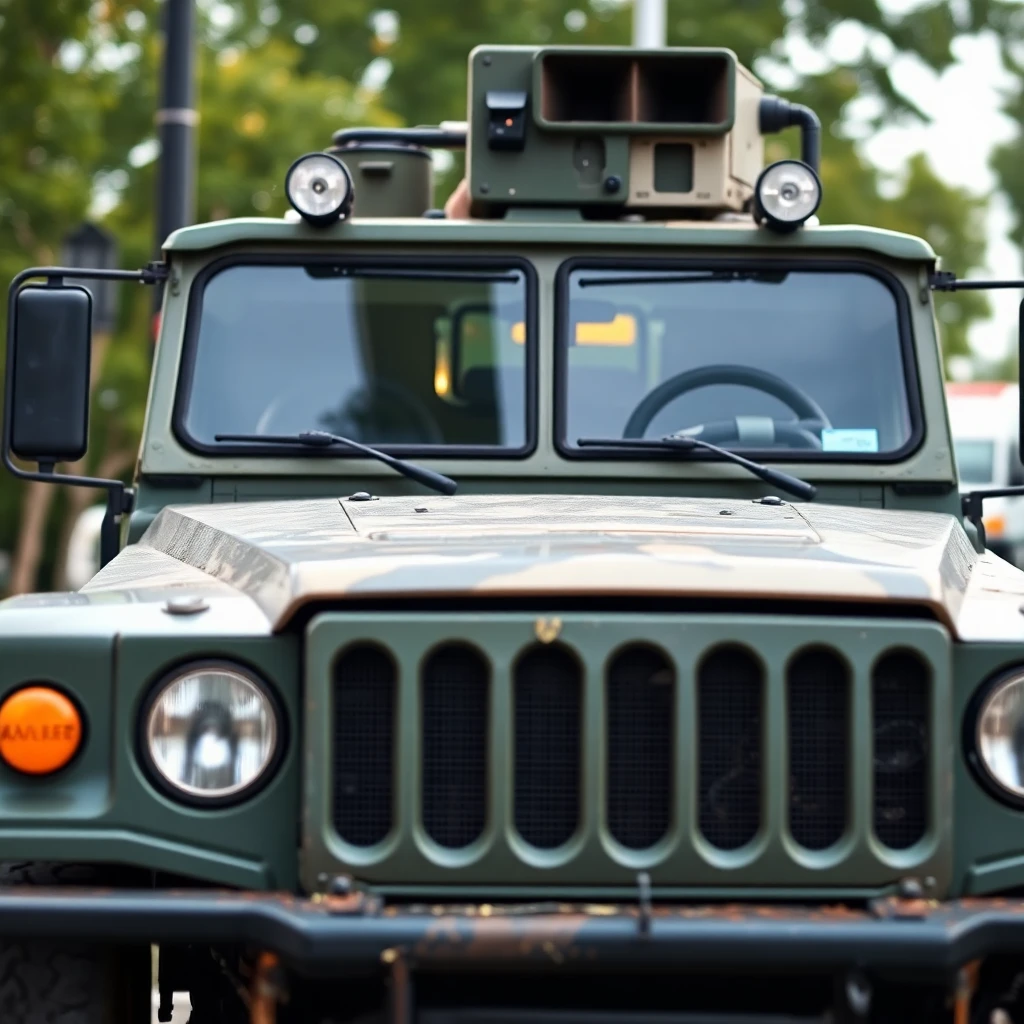

Military vehicle safety requirements are the first thing surplus vehicle owners need to understand before taking an HMMWV, deuce-and-a-half, or M939 onto public roads. These are not standard passenger car rules. The requirements vary by state, vehicle weight, and original military configuration, and skipping this step can mean fines, impoundment, or a failed registration attempt.
This guide covers the core safety standards that apply to former DoD vehicles, what inspectors actually look for, and how to build a compliance checklist that works in your state. Whether you bought a Humvee off GovPlanet or inherited an M35 from a family estate, the information below applies to you.
Read through before you register. The path is straightforward once you know what is required.
Why Military Vehicle Safety Requirements Differ from Standard Vehicles
Surplus military vehicles were built to DoD specifications, not Federal Motor Vehicle Safety Standards (FMVSS). That gap matters when a state DMV or inspection station evaluates your vehicle for street-legal status.
Most HMMWVs, M998 variants, M35 trucks, and M939 five-tons left service without turn signals, DOT-compliant lighting, mirrors meeting civilian angles, or speedometers calibrated in miles per hour. Some configurations had no windshield wipers at all. These are not defects. They are the result of a different design mission.
What FMVSS Compliance Means for Former Military Vehicles
FMVSS governs new vehicles manufactured for civilian sale. Surplus military vehicles are typically exempt from FMVSS retroactive compliance, but that does not mean they can skip all safety equipment. States require basic operational safety gear regardless of build origin. The key distinction is between new-vehicle manufacturing standards and on-road operational standards, which are set state by state.
How State-Level Rules Create Different Checkpoints
A Humvee registered in Texas faces different inspection requirements than the same vehicle registered through a Montana LLC. Montana does not require a safety inspection for registration, which is one reason so many military vehicle owners choose that path. Other states, including California and New York, require safety inspections that can flag missing equipment on surplus vehicles.
A deeper breakdown of federal rules is available in our guide to DOT requirements for military vehicles, which covers weight classifications, lighting standards, and when federal rules apply to your specific surplus platform.
Core Safety Equipment Required in Most States
Before any state will issue plates for a former military vehicle, certain safety items need to be present and functional. The list below reflects the most common requirements across states that allow military surplus vehicle registration.
Ready to register your vehicle?
Join thousands of vehicle owners who use HMMWV Registration to handle their registration quickly.
Get Started →- Headlights and taillights: DOT-compliant lenses or aftermarket replacements that meet minimum candela output. Many M998 headlights pass; older sealed-beam units on M35 trucks may need retrofit kits.
- Turn signals: Front and rear amber and red signals, self-canceling or manual. Most stock military configurations do not include these. They are almost always an add-on requirement.
- Brake lights: Working brake lights are a universal requirement. The stop lamp circuit on HMMWVs is usually intact but should be verified before any inspection.
- Horn: A functional horn audible at 200 feet is required in most states. Standard military horn installations typically satisfy this requirement.
- Mirrors: At minimum, a driver-side exterior mirror is required. States vary on whether a passenger mirror and interior rearview are also mandatory. Wide-body platforms like the M998 may need extended arm mirrors for lane-change visibility.
- Windshield and wipers: A full windshield with functional wipers is required for street-legal status in most states. Soft-top or no-top configurations may require a hard top or documented exemption.
- Speedometer: A working speedometer calibrated in miles per hour. Military odometers are sometimes in kilometers. Civilian replacements or overlay gauges satisfy this requirement.
- Tires: DOT-marked tires in serviceable condition. Military-spec tires with a current DOT marking are acceptable in most states. Run-flat or older non-DOT tires will typically fail inspection.
For a state-by-state breakdown of exactly what each inspection covers, our HMMWV street-legal conversion checklist state by state gives a platform-specific walkthrough for the most common Humvee variants.
Weight, Width, and Oversize Restrictions That Affect Safety Compliance
Military vehicles are often wider, taller, and heavier than civilian trucks. These physical dimensions trigger separate safety requirements beyond basic lighting and brakes.
Width Restrictions and Clearance Lighting
Vehicles wider than 80 inches (the standard civilian maximum) may require additional amber clearance lamps on the front and red clearance lamps on the rear. The M998 HMMWV sits at approximately 85 inches wide. The M35 deuce-and-a-half exceeds 90 inches in most configurations. Many states require clearance lighting for any vehicle exceeding 80 inches. Verify your state's specific threshold before registration.
Gross Vehicle Weight and Brake System Ratings
Vehicles over 10,000 lbs GVWR typically face stricter brake system requirements. The M939 five-ton, for example, operates well above this threshold. States may require a brake certification or inspection confirming the air or hydraulic system meets minimum stopping distance standards. The M35 deuce-and-a-half generally falls just below the 26,000 lb CDL threshold for private non-commercial use, but verify your specific variant.
For more detail on five-ton compliance, our M939 5-ton military truck Montana registration guide covers what inspection and documentation steps are typically needed for this platform.
Height Restrictions and Overhead Clearance
Vehicles exceeding 13 feet 6 inches in height face restrictions on certain roads and may require permits for transport. Most HMMWVs and M35 trucks fall below this threshold in standard configuration, but added racks, antennas, or crew-served weapon mounts can push height over the limit. Remove non-essential height additions before your first registration inspection.
| Vehicle Platform | Approximate Width | GVWR Range | Common Safety Add-Ons Needed |
|---|---|---|---|
| M998 HMMWV | 85 inches | 10,700 lbs | Turn signals, speedometer, clearance lights, DOT tires |
| M1097 HMMWV | 85 inches | 12,100 lbs | Same as M998, brake inspection recommended |
| M35 Deuce-and-a-Half | 90+ inches | 15,000 - 19,000 lbs | Clearance lamps, turn signals, brake check, mirrors |
| M939 5-Ton | 96 inches | 44,000 lbs | Air brake certification, clearance lamps, full lighting package |
| M1025 / M1026 Armed HMMWV | 85 inches | 10,700 lbs | Remove weapon mounts, add civilian lighting package |
How to Get Your Military Vehicle Street-Legal Without Failing Inspection
The most common reason a surplus military vehicle fails a state safety inspection is missing or non-functional lighting. Addressing this before the inspection appointment saves time and prevents re-inspection fees.
Build a Pre-Inspection Checklist by Platform
Start with your specific TM (technical manual) to understand what the vehicle came with from the factory. Then compare that against your state's inspection form, which most states publish online. The gap between those two lists is exactly what you need to install or repair. For Humvee owners, our street-legal Humvee requirements guide walks through the most common modifications in detail.
Document Every Modification
Keep receipts and photos of every safety modification you make. Some states require a signed statement from a licensed mechanic confirming safety equipment was installed. Even where that is not mandatory, documentation protects you if questions arise during a VIN inspection or registration review. Our VIN inspection military vehicle state requirements guide explains what inspectors check and what paperwork supports your application.
Consider Montana Registration to Avoid Mandatory Inspections
Montana does not require a safety inspection as part of the vehicle registration process. For owners in states with strict inspection regimes, registering through a Montana LLC is a fully street-legal path that avoids mandatory safety inspection checkpoints while still requiring the vehicle to be roadworthy. There is no sales tax in Montana, which adds financial savings on top of the inspection benefit.
The full process is covered in our guide to register military vehicle Montana LLC, including document requirements, LLC formation steps, and typical timelines.
Documentation and Title Requirements That Intersect with Safety
Military vehicle safety requirements do not exist in isolation. They connect directly to the title and registration process. A vehicle that cannot prove its DEMIL code and origin may face additional scrutiny during any inspection, including questions about whether certain components are street-legal in their current form.
SF-97 and DD-1348 Documents
The SF-97 is the federal certificate of release that functions as the title for most surplus military vehicles sold through DLA Disposition Services or GovPlanet. Some vehicles come with a DD-1348 instead, which is a materiel release order rather than a true title document. Understanding which document you have affects how you apply for a state title and, in turn, how you satisfy a safety inspection that requires proof of ownership.
Our guide to DD-1348 vs SF-97 military vehicle documents, which do you need explains the difference and what each document means for your registration application.
DEMIL Codes and Equipment Restrictions
Certain DEMIL codes restrict what equipment can remain on a vehicle when it enters civilian ownership. A vehicle with demilitarization code B, for example, should have had all military-unique components removed before sale. Leaving restricted components on a vehicle can create problems at inspection if an inspector flags items that do not belong on a civilian-plated truck. Review your SF-97 DEMIL code and cross-reference it with the current configuration of your vehicle before any inspection appointment.
Frequently Asked Questions About Military Vehicle Safety Requirements
Do military vehicles need to pass a safety inspection to be registered?
It depends on your state. States like California, New York, and Virginia require safety inspections for all vehicles including surplus military platforms. Montana does not require a safety inspection for registration, which is why many Humvee and surplus truck owners register through a Montana LLC. Even without a mandatory state inspection, the vehicle still needs to meet minimum on-road safety standards, including working lights, brakes, and tires.
What lights does a Humvee need to be street legal?
At minimum, a street-legal Humvee needs functioning headlights, taillights, brake lights, front and rear turn signals, and hazard flashers. Most stock M998 and M1097 configurations do not include civilian-spec turn signals from the factory. Aftermarket turn signal kits designed for the HMMWV platform are widely available and install into the existing wiring use. Clearance lights may also be required given the 85-inch width of the vehicle.
Are military tires DOT approved?
Many current-production military tires carry a DOT marking, including the Goodyear MTV and similar radial military tires. Older bias-ply military tires, particularly those produced before 1990, may not have a DOT code. If your vehicle has tires without a visible DOT marking on the sidewall, they will typically fail a state safety inspection. Replacement with any DOT-marked tire in the correct load rating will satisfy the requirement.
Does a surplus military vehicle need a speedometer?
Yes. Every state that allows military vehicle registration on public roads requires a functional speedometer calibrated in miles per hour. Many surplus vehicles come with odometers or speedometers calibrated in kilometers, or with non-functional gauges due to age. Replacement gauge clusters, overlay speedometers, or GPS-based speedometer displays all satisfy this requirement in most states. Confirm your state's specific standards before choosing a solution.
Can I drive my HMMWV on the highway with its stock configuration?
In most states, a stock HMMWV cannot be driven on public roads without modification. The standard military configuration is missing turn signals and may have non-DOT lighting. The vehicle is street-legal once the required safety equipment is added and a valid registration and plates are obtained. Some states allow historic or military vehicle exemptions that reduce the modification list, but these typically restrict use to parades or limited mileage.
What happens if my military vehicle fails a safety inspection?
A failed inspection results in a rejection notice listing the specific items that did not meet standards. You have a set period (typically 30 to 60 days depending on the state) to make corrections and return for a re-inspection. There is usually a reduced re-inspection fee if you return to the same station. Addressing all flagged items at once before the re-inspection avoids multiple trips. Keeping your modification documentation organized makes the re-inspection faster.
Is it easier to register a military vehicle in some states than others?
Yes, significantly. States with no mandatory safety inspection (Montana), low registration fees (South Dakota), and flexible title acceptance policies are considerably easier for surplus military vehicle owners. High-regulation states like California add smog exemption processing, strict inspection standards, and additional DMV scrutiny for non-standard vehicles. Our guide to states that allow Humvee registration gives a state-by-state overview of where registration is straightforward and where it is more involved.
Do I need insurance before I can get my military vehicle registered?
In most states, yes. Proof of liability insurance is required before a title and registration will be issued. Standard auto insurers may decline to cover a surplus military vehicle. Specialty insurers familiar with military vehicles, classic vehicles, and collector platforms are a better starting point. Our HMMWV insurance military surplus vehicle complete guide covers how to find coverage and what information insurers typically need.
Put Your Military Vehicle on the Road the Right Way
Military vehicle safety requirements are manageable when you know exactly what applies to your platform and your state. The core items are consistent across most jurisdictions: working lights, functioning brakes, DOT tires, turn signals, and a calibrated speedometer. Beyond that, width, weight, and state-specific rules shape the rest of the list.
HMMWV Registration has helped hundreds of surplus military vehicle owners work through exactly these questions. Our team knows the SF-97 documentation process, the DEMIL code implications, and the registration paths that work in every state, including the Montana LLC route that eliminates mandatory inspections and sales tax entirely.
If you are ready to get plates on your Humvee, M35, M939, or any other surplus platform, the next step is a conversation with our team. We handle the paperwork, coordinate the title transfer, and get you registered, fully remote, with no hidden fees.