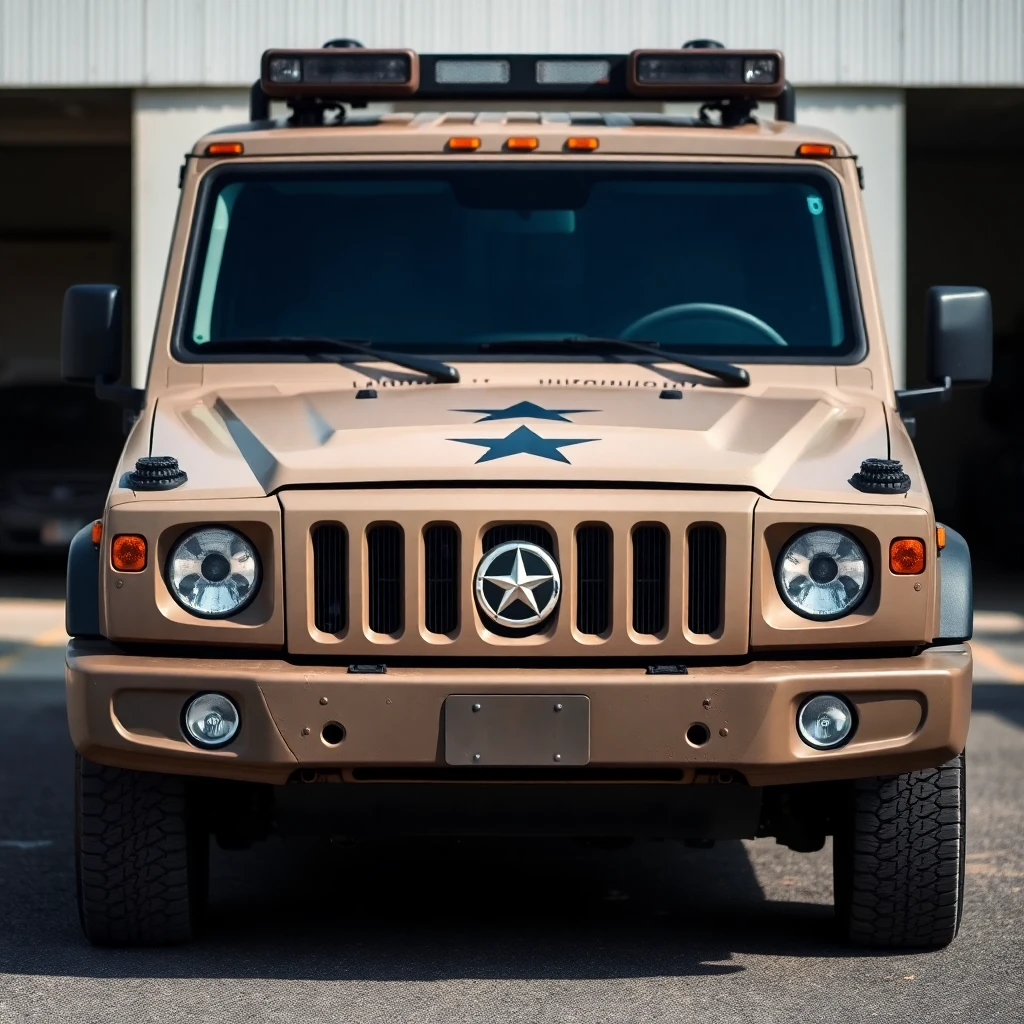
Getting a surplus military vehicle title is one of the most misunderstood processes in the civilian vehicle world, and one of the most consequential. Miss a step, and your HMMWV sits in a garage instead of on the road. Get it right, and you own one of the most capable machines ever built, fully street-legal and documented. This guide covers every stage of the titling process: what documents you need, which states make it easiest, what to do when paperwork is missing, and how to avoid the pitfalls that trap first-time military surplus buyers.
Whether you picked up your Humvee at a GovPlanet auction, bought private-party, or inherited a vehicle with questionable paperwork, the path to a clean, transferable title follows the same core logic. We'll walk you through it, no filler, no generic DMV language.
By the end, you'll know exactly what a surplus military vehicle title requires, which document is the government's equivalent of a title, and which registration strategies save you the most time and money.
What Is a Surplus Military Vehicle Title, and Why Is It Different?
Civilian vehicles come with a Manufacturer's Certificate of Origin (MCO) or a state-issued title. Military vehicles don't follow that path. The U.S. government doesn't title vehicles the way states do, it tracks them through property records, maintenance logs, and federal disposition documents. When a military vehicle is surplused and sold to a civilian, the standard ownership document is the Standard Form 97 (SF-97), officially called the "United States Government Certificate to Obtain Title to a Vehicle."
The SF-97 is the government's equivalent of a title. It's the document you use to apply for a state-issued civilian title once you take possession of the vehicle. Without it, or without an alternative path, your surplus military vehicle has no legal civilian documentation.
What the SF-97 Actually Proves
The SF-97 establishes that the vehicle was lawfully disposed of by the federal government, identifies the purchaser, and provides the vehicle's data (NSN, make, model, serial number). It is issued by the Defense Logistics Agency (DLA) or the relevant military branch at the time of auction or disposal. If you purchased through GovPlanet or a GSA auction, the SF-97 should be included in your purchase package, if it wasn't, that's a problem to solve before you take delivery. Our guide to military surplus vehicle SF-97 title documentation covers the full breakdown of this form and what to do if yours is incomplete or missing.
VINs, NSNs, and Serial Numbers, What You're Working With
Military vehicles use a serial number system tied to the National Stock Number (NSN), not a standard 17-digit civilian VIN. When you apply for a state title, the DMV needs to assign or verify a VIN. Many states accept the manufacturer's serial number as the VIN for older military vehicles, while others require a formal VIN verification for military vehicles through a law enforcement officer or state-appointed inspector. This step is non-negotiable in most jurisdictions and must happen before you can apply for a civilian title.
Demilitarization and Title Eligibility
Not all surplus military vehicles are eligible for civilian titling and road registration. Demilitarization (DEMIL) codes assigned by the DoD determine what can be sold to civilians and in what condition. HMMWV units sold through GovPlanet are typically DEMIL Code A or B, meaning they're eligible for civilian ownership without destruction of major components. Vehicles with DEMIL Code D or higher may require destruction of certain parts before transfer and may not be street-registerable at all. Always verify the DEMIL code on your SF-97 or auction documentation before assuming a vehicle is title-eligible.
How to Get a Civilian Title for a Surplus Military Vehicle
The titling process varies by state, but the underlying steps are consistent. You're converting a federally-tracked asset into a state-titled civilian vehicle. Here's how it typically works:
Ready to register your vehicle?
Join thousands of vehicle owners who use HMMWV Registration to handle their registration quickly.
Get Started- Obtain your SF-97, This is your starting document. If you bought at auction, it should be in your paperwork. If it's missing, you'll need to pursue a bonded title or alternative documentation path.
- Get a VIN inspection or assignment, A state-authorized inspector verifies the vehicle's serial number. Some states assign a new VIN; others accept the manufacturer's serial number directly.
- Complete a title application, Submit the SF-97, proof of VIN inspection, proof of purchase (auction receipt, bill of sale), and applicable fees to your state DMV or county treasurer.
- Pay title and registration fees, Fees vary significantly by state. Montana and South Dakota are among the most affordable and least bureaucratic options for military vehicle owners.
- Receive your civilian title, Once processed, the state issues a Certificate of Title in your name. This is now a transferable civilian document, no different in legal standing from any other vehicle title.
What If You Don't Have an SF-97?
Missing SF-97 documentation is more common than it should be. Some vehicles were surplused through channels that didn't properly issue the form; others have had the paperwork lost through multiple private-party sales. In these cases, your options include: pursuing a bonded title (where you purchase a surety bond to indemnify the state against ownership disputes), applying for a court-ordered title in some states, or registering through a Montana LLC, which has a more flexible documentation review process for vehicles with non-standard paperwork histories. Our guide to registering vehicles without a title via Montana LLC explains how this path works for vehicles with incomplete documentation.
Bonded Titles for Military Surplus Vehicles
A bonded title is a state-issued title that carries a notation indicating it was issued based on a surety bond rather than standard ownership documentation. The bond, typically worth 1.5x the vehicle's appraised value, protects against future ownership claims. After a set period (usually 3-5 years, depending on the state), the bond notation is removed and you receive a clean title. Bonded titles are a legitimate, legal path. They're not a workaround, they're a defined statutory process used in most states for exactly this type of situation.
Best States for Surplus Military Vehicle Title and Registration
Where you title and register your Humvee matters, a lot. State fees, emissions requirements, inspection mandates, and documentation flexibility vary wildly. For military surplus vehicle owners, two states consistently rise to the top: Montana and South Dakota.
| Factor | Montana | South Dakota | Typical High-Fee State |
|---|---|---|---|
| Sales Tax on Vehicle Purchase | None | 4% (reduced for older vehicles) | 5–10%+ |
| Emissions Testing Required | No | No | Often required |
| Annual Safety Inspection | No | No | Often required |
| Registration Fees (HMMWV class) | Low, based on age/value | Very low flat fee structure | High, often value-based |
| LLC Registration Option | Yes, widely used | Less common | Varies |
| Documentation Flexibility | High, experienced with military vehicles | Moderate | Low, strict MCO/title required |
| Physical Presence Required | No (via LLC) | Yes (one-time visit) | Varies |
Montana LLC Registration for Military Vehicles
The Montana LLC registration strategy is one of the most well-established legal approaches for military surplus vehicle owners. By forming a Montana LLC and registering the vehicle to that LLC, owners benefit from no sales tax, no emissions testing, no annual safety inspection, and flat-rate registration fees. The Montana LLC vehicle registration benefits are particularly significant for high-value vehicles like restored HMMWVs, where sales tax in other states could run into thousands of dollars. Montana's official vehicle title and registration fee schedule is publicly available and reflects some of the lowest rates in the nation for older and specialty vehicles.
South Dakota Direct Titling
South Dakota offers a direct residency-based registration path that's straightforward and fast. The South Dakota Division of Motor Vehicles has a clear process for out-of-state and specialty vehicles, and the state's low fee structure makes it attractive for owners who want a clean, simple title without the LLC structure. South Dakota requires a one-time in-person visit to establish residency, but after that, renewals can be handled remotely. For military surplus buyers who want simplicity over complexity, it's a legitimate and cost-effective option.
Buying a Surplus HMMWV: Title Considerations Before You Purchase
The time to think about titling is before you buy, not after the check clears. Too many HMMWV buyers focus entirely on mechanical condition and price, then find post-purchase that the paperwork situation is a nightmare. Here's what to verify before you commit to any surplus military vehicle purchase.
Verify the SF-97 Is Present and Correct
Ask the seller, whether that's GovPlanet, a dealer, or a private party, to confirm the SF-97 is in hand before you finalize the purchase. The SF-97 should match the vehicle's serial number exactly. If the form has been altered, corrected, or doesn't match the vehicle data, you may face significant hurdles at the DMV. Our GovPlanet HMMWV purchase and registration guide details exactly what documentation GovPlanet should provide and what to do if something's missing from your auction package.
Check the Vehicle's DEMIL Code and Eligibility
As noted above, DEMIL codes determine civilian eligibility. A vehicle with the wrong DEMIL code isn't just hard to title, it may be illegal to own in its current configuration. Confirm the DEMIL code in the auction listing and cross-reference it with the SF-97. If you're buying private-party from a vehicle that's already been titled in another state, the civilian title supersedes the military documentation, but verify the title is clean and lien-free before proceeding.
Understand Inspection Requirements by State
Some states require a physical inspection of the vehicle before they'll issue a title for a surplus military vehicle, particularly for VIN assignment purposes. Others accept a notarized bill of sale and SF-97 without inspection. Knowing your state's requirements in advance prevents surprises. Our Humvee inspection requirements FAQ breaks down what different states require before they'll register a military surplus vehicle for road use.
Transferring a Surplus Military Vehicle Title After Private Sale
If you're buying a HMMWV that's already been titled by a previous civilian owner, the title transfer process is similar to any used vehicle transaction, but with some important differences. Military vehicles often have modified VINs, odometer exemptions (many military vehicles don't have traditional odometers), and non-standard body configurations that can trigger additional scrutiny during transfer.
What Documents You Need for a Title Transfer
- Current state-issued title signed over by the seller
- Bill of sale with purchase price, date, buyer/seller information
- Odometer disclosure statement (or exemption notation for vehicles over 20 years old or without odometers)
- Completed title application for your state
- Payment for title transfer fees and any applicable registration costs
Out-of-State Title Transfers for Military Vehicles
If you're transferring a title from one state to another, say, the vehicle is titled in Texas but you want to register it in Montana, you'll surrender the Texas title and apply for a Montana title as part of the registration process. Montana handles this regularly and the process is well-documented. For a state-by-state breakdown of the registration process, the guide to registering a HMMWV in all 50 states gives jurisdiction-specific detail that's worth reviewing before you start the transfer paperwork.
Lien Releases and Military Vehicle History
Military vehicles surplused through government channels don't carry traditional lender liens, they're government property until disposition. But private-party military vehicles that have been previously titled can have liens if a civilian owner financed the purchase. Always run the title through your state's lien check process before transfer, and get a lien release in writing if any liens appear. A lien-clouded title will stop your registration cold regardless of how clean the underlying vehicle is.
Frequently Asked Questions: Surplus Military Vehicle Title
What document serves as a title for a surplus military vehicle?
The Standard Form 97 (SF-97), officially "United States Government Certificate to Obtain Title to a Vehicle", is the federal government's equivalent of a title for surplus military vehicles. It's issued at the time of disposition and used to apply for a civilian state title. Without the SF-97 or an alternative documentation path (such as a bonded title), you cannot obtain a standard civilian title. The SF-97 must match the vehicle's serial number exactly and be signed by the appropriate military or federal agency official.
Can I register a surplus military vehicle without an SF-97?
Yes, in most states, but it's more complex. If the SF-97 is missing or was never issued, you have several options: apply for a bonded title using a surety bond (typically 1.5x the vehicle's appraised value), pursue a court-ordered title in states that allow it, or review Montana LLC registration which has flexibility in handling non-standard documentation situations. The path depends heavily on your state and the vehicle's history. Consulting with a specialist before applying is strongly recommended to avoid rejection and delays.
Do I need a VIN inspection for a surplus military vehicle?
Almost certainly yes. Most states require a VIN inspection or verification before issuing a title for any vehicle, and military surplus vehicles, which don't have standard 17-digit civilian VINs, require additional scrutiny. Some states assign a new civilian VIN; others accept the manufacturer's serial number directly. The inspection is typically performed by a law enforcement officer or state-designated VIN inspector. Requirements vary significantly by state, so check your state's specific process before scheduling an inspection.
Is a surplus military vehicle title the same as a civilian title once issued?
Yes. Once a state issues a civilian Certificate of Title for a surplus military vehicle, based on the SF-97, VIN inspection, and completed application, that title carries the same legal weight as any other state-issued vehicle title. It's fully transferable, can be used as collateral, and documents clear ownership. Some states may note "prior use: government" on the title, but this does not diminish its legal validity or affect your ability to sell or register the vehicle in other states.
How long does it take to get a title for a surplus military vehicle?
Processing times vary significantly by state and method. In Montana, title processing for vehicles registered through an LLC typically takes 4–8 weeks. South Dakota can be faster for residents. States with heavier DMV backlogs or stricter documentation requirements can take 2–4 months in some cases. If a VIN inspection, bonded title process, or additional documentation requests are involved, add time accordingly. Using a registration service that specializes in military surplus vehicles can significantly reduce back-and-forth delays.
Can I drive my surplus HMMWV while waiting for the title?
In most states, you can obtain a temporary operating permit or transit tag that allows limited operation while your title application is pending. Requirements and durations vary, some states issue 30-day temporary permits, others 60 or 90 days. Driving without any registration or permit on a vehicle awaiting title is not recommended and may result in fines or impoundment in jurisdictions with strict enforcement. Check your state's specific rules for temporary operation of vehicles with pending title applications.
What states are best for titling a surplus military vehicle?
Montana and South Dakota consistently rank as the most favorable states for surplus military vehicle titling and registration. Montana offers no sales tax, no emissions testing, no annual inspections, and the Montana LLC structure for additional privacy and asset protection. South Dakota offers low fees, a straightforward direct-registration process, and no emissions requirements. Both states have experience processing military surplus vehicle documentation and are less likely to reject non-standard paperwork than states with stricter requirements. For state-by-state specifics, review the military vehicle registration by state FAQ.
Does a surplus military vehicle need to pass emissions or safety inspection for registration?
It depends heavily on the state. Montana and South Dakota require neither emissions testing nor annual safety inspections for vehicles registered there. Many other states exempt older vehicles from emissions testing (cutoffs typically range from 1975–1995 model years, depending on the state), and some states exempt military surplus vehicles specifically. Safety inspections, where required, may flag non-standard equipment common on military vehicles, brush guards, blackout lights, convoy mirrors, so knowing your state's requirements before attempting registration is important. See our Humvee inspection requirements FAQ for a deeper look at this issue.
The Bottom Line on Surplus Military Vehicle Titles
A surplus military vehicle title isn't a unicorn, it's a defined legal process that follows predictable steps when you have the right documentation and choose the right state. The SF-97 is your starting point. VIN verification is your next hurdle. State titling is the finish line. Where it gets complicated, missing paperwork, DEMIL issues, mismatched serial numbers, is exactly where working with a specialist pays dividends. Montana and South Dakota offer the clearest, most cost-effective paths for civilian owners of surplus HMMWVs and other military vehicles. If you're starting from scratch or untangling a documentation mess, understanding these steps in sequence is what separates operators who get their vehicles road-legal from those who don't. The vehicle is already one of the most capable platforms ever built. The paperwork shouldn't be the reason it stays parked.