
A safety ride in your military surplus HMMWV is achieved by performing specific mechanical modifications that bring your vehicle into compliance with state and federal equipment standards. By ensuring your Humvee is equipped with functional headlights, taillights, turn signals, mirrors, and safety glass, you provide the necessary visibility and protection required for operation on public roads.
Achieving a Compliant Safety Ride for Your HMMWV
When you own an iconic piece of military hardware, the desire to get it out of the shop and onto the asphalt is strong. A safety ride isn't just about having fun, it's about making sure your M998 or M1097 is visible, predictable, and road-worthy. You aren't just driving a heavy vehicle, you are piloting a machine designed for environments where public safety laws simply didn't apply. That is why the conversion process is a critical bridge between its former military life and its new civilian purpose.
If you have questions about whether your specific model is ready, we support your vehicle registration paperwork. Curios if this applies to you? Get Started
Essential Modifications for Street-Legal Status
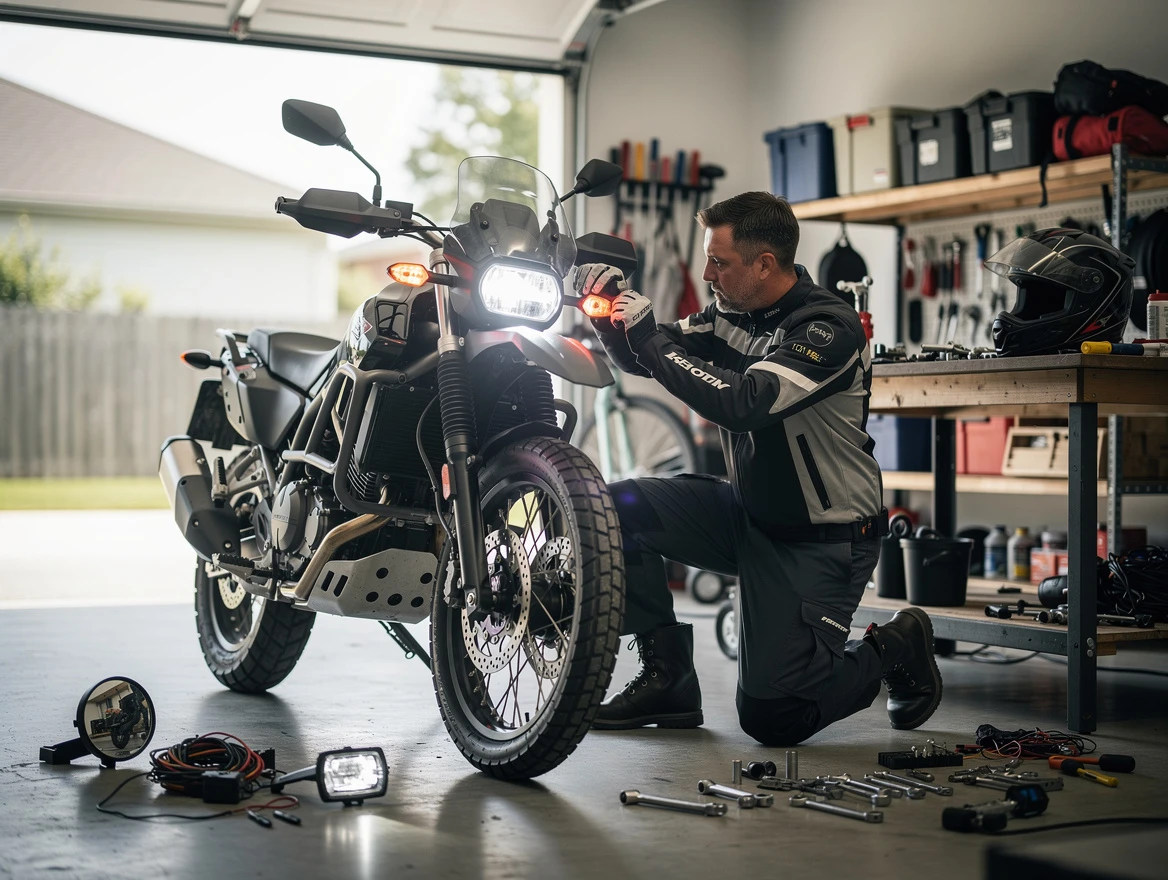
The first step in your safety ride is addressing the lighting system. Stock military vehicles often lack the specific turn signals and side markers required by local traffic codes. Upgrading to a complete lighting kit is the most effective way to communicate your intentions to other drivers. You must replace the dim, blackout-friendly bulbs with bright, high-visibility LED alternatives that meet DOT standards.
Ready to register your vehicle?
Join thousands of vehicle owners who use HMMWV Registration to handle their registration quickly.
Get Started →Braking systems also require attention. Military vehicles are built for durability, but they often lack the modern sensitivity found in standard trucks. Checking your lines, pads, and fluid levels ensures that when you press the pedal, you get a predictable response. A reliable braking system is the foundation of a safety ride, especially considering the sheer mass of these machines. You should also look at your tires. While military surplus tires are tough, they might not be rated for high-speed highway use. Switching to street-appropriate rubber will improve your handling and significantly lower noise levels during your commute.
Navigating the Paperwork for Your Safety Ride
Registration is the final piece of the puzzle. You need a properly filed title that reflects the civilian classification of your vehicle. Relying on an incomplete or incorrect SF-97 form can lead to delays. We provide registration assistance to help you manage these filings effectively. This ensures that you aren't stuck at a local office explaining your military vehicle to staff who may have never processed one before. You want a process that works efficiently so you can focus on the road ahead.
A more detailed breakdown is available in SF97 Title Process: How to Title Your Surplus Military Vehicle. This guide explains how to properly handle your documents to make sure the transition from military auction to civilian ownership is as smooth as possible.
Maintaining Your Vehicle for Long-Term Safety
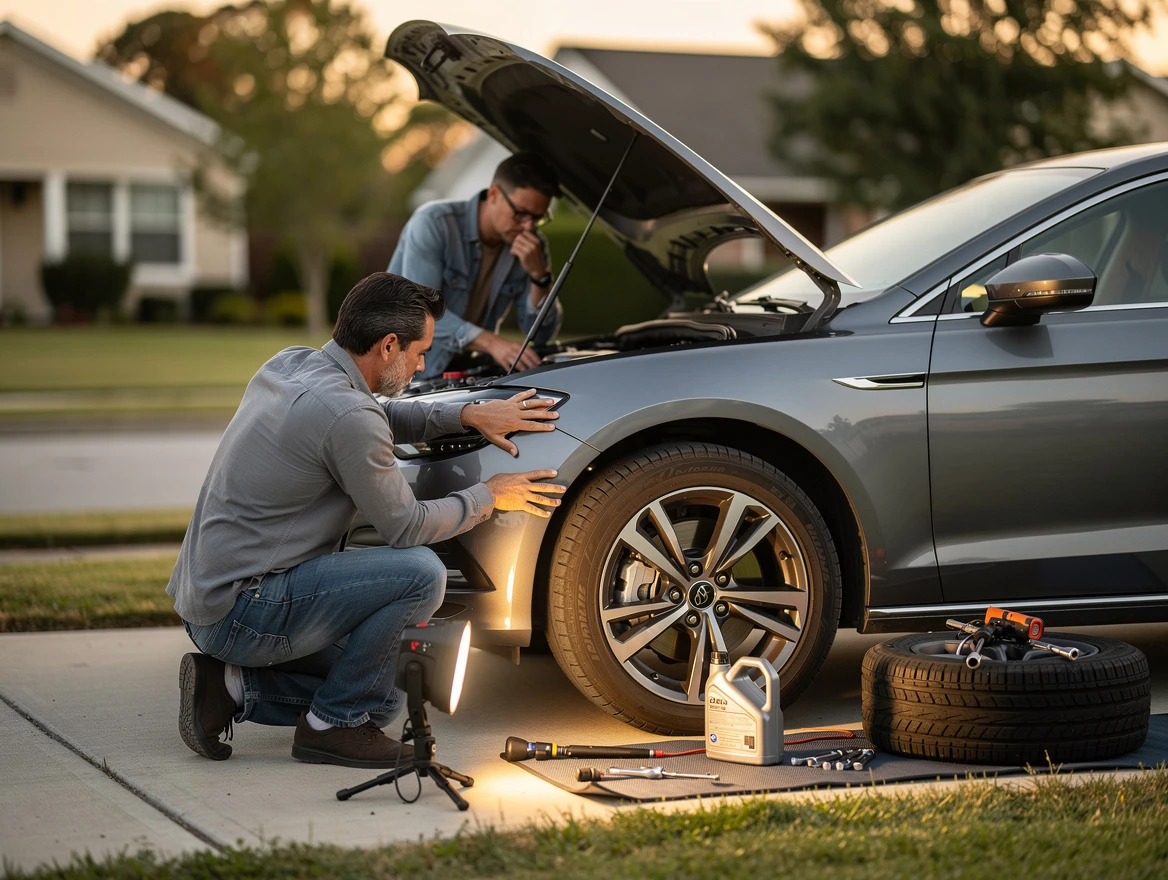
Once you are on the road, your maintenance schedule becomes your primary safety tool. Military surplus vehicles were designed for a specific service life and rigorous field repairs. As a civilian owner, you need to think about long-term longevity. Regular checks of your U-joints, cooling system, and electrical use will keep you from being stranded. A proactive approach is much better than a reactive one.
Think of your Humvee as a classic, heavy-duty machine. It rewards you when you put in the time to understand its unique mechanical quirks. If you need help with the technical side of things, read our guide on What Are the Problems With the HMMWV Military Hummer? A Real Owner's Breakdown. It provides a realistic look at what you should monitor under the hood to make sure every trip remains a safety ride.
Common Hazards and How to Spot Them
Driving a HMMWV offers a commanding view of the road, but it also creates blind spots that standard car mirrors can't fix. Adding wide-angle convex mirrors to your setup is an simplified win for your safety ride. These allow you to monitor your surroundings more effectively. Also, other drivers may not be used to the size of your vehicle. Being predictable and using your signals early gives them the space they need to react to your presence.
| Component | Purpose for Safety Ride |
|---|---|
| LED Lighting Kit | Visibility and signaling |
| DOT-Rated Tires | Handling and highway stability |
| Convex Mirrors | Blind spot elimination |
| Brake Inspection | Stopping power and reliability |
Frequently Asked Questions
Do I need an inspection for a safety ride?
Some states require an inspection to verify that your vehicle meets equipment standards. We provide registration assistance to help you understand if your specific situation requires a physical inspection of your vehicle.
Can I drive my Humvee on the highway?
Yes, once your vehicle is properly registered and equipped with street-legal parts, you can drive it on public roads and highways. Ensuring your tires and brakes are rated for higher speeds is critical for a safe experience.
Is the SF-97 form enough to drive my vehicle?
The SF-97 is a critical piece of the ownership process, but it is not a registration or license plate. You must use that document to obtain a legal title and registration through your state or a Montana LLC before you can drive on public roads.
What if my Humvee has no VIN?
Many older military vehicles have limited or non-standard VINs. We provide support with paperwork to help you work through the unique titling requirements for your specific military surplus vehicle.
Ready to take the next step? We can help. Get Started